

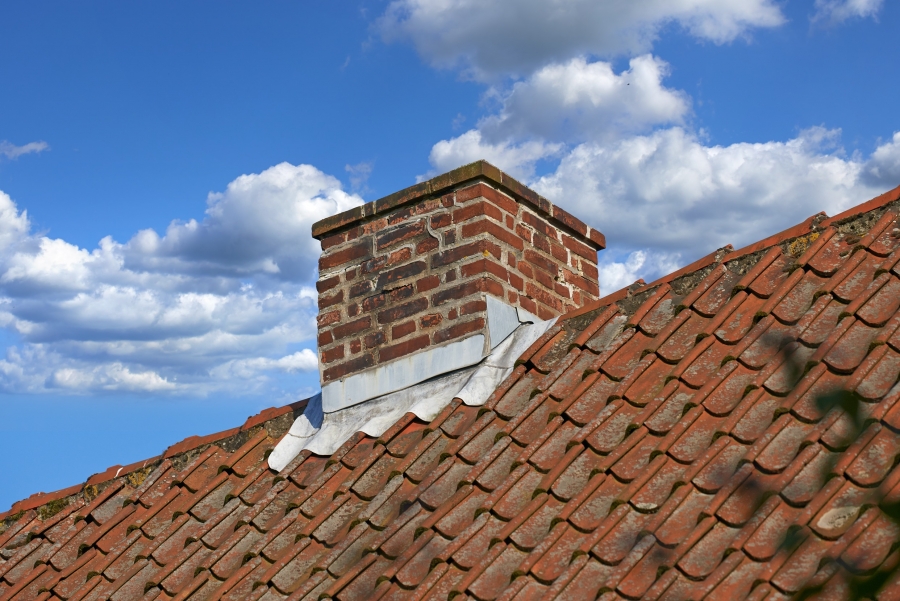
Why Your Chimney's Condition Matters
Your chimney plays an important role in keeping your home safe. It directs smoke and harmful gases outside while helping prevent heat from reaching nearby building materials. Cracks, loose bricks, or a damaged flue liner can affect how well it works and create safety risks.
Small problems can also become expensive if left alone. Water that enters through a crack can freeze, expand, and cause more damage over time. Addressing these issues early can help protect your home and save you money.
Exterior Warning Signs to Watch For
Cracked Bricks and Crumbling Mortar
White stains, flaking bricks, and crumbling mortar can all point to moisture damage. Water can enter small cracks, freeze during winter, and expand, causing the damage to spread. The chimney crown, which covers the top of the chimney, can also crack over time. These openings allow water to enter and damage the structure. Fixing these problems early can help prevent more expensive repairs.
A Leaning or Shifting Chimney
A chimney that leans or pulls away from your home could have serious structural damage. This may happen when the foundation shifts, or the masonry becomes badly worn. If you notice movement or a visible tilt, stop using the fireplace and contact a professional immediately. A leaning chimney needs immediate attention to determine whether it is safe.
Interior Signs to Watch For
Rust, Cracks, and Strange Smells
Rust on fireplace doors or the damper can signal water intrusion. A musty smell may point to trapped moisture inside the chimney. Check your firebox for cracked bricks or loose pieces of clay from the flue liner. Damage in these areas can allow heat and harmful gases to escape into places they should not reach.
Smoke and Creosote Buildup
If smoke enters your living room instead of rising through the chimney, stop using the fireplace and have a qualified chimney professional check for blockages or ventilation problems. You should also watch for creosote, a dark, tar-like substance that builds up inside the chimney when wood burns. Creosote is highly flammable, and heavy buildup increases the risk of a chimney fire. Creosote is highly flammable, and heavy buildup increases the risk of a chimney fire.
A qualified professional can inspect the flue and recommend cleaning or repairs as needed. Exterior issues, such as cracked bricks and damaged mortar, should also be addressed to help prevent moisture from causing further deterioration.
How Colorado Weather Can Damage Your Chimney
Snow, rain, and freezing temperatures can gradually weaken brick and mortar. Water enters small cracks, freezes, and expands, making the damage worse each time temperatures drop. A damaged chimney cap or crown can also allow moisture to enter the structure.
Homeowners in Centennial and nearby Colorado communities should pay close attention to these warning signs, especially after harsh winter weather. Scheduling chimney repair when exterior problems first appear can help protect your property and prevent more extensive damage.
When to Call a Professional for Chimney Repair
Because chimneys are constantly exposed to rain, snow, and changing temperatures, exterior damage can develop over time. Cracked masonry and deteriorating materials can allow moisture to enter and cause further problems around your home. Orix Contractors specializes in exterior contracting and helps homeowners protect and maintain their properties through exterior improvement projects.
If you've noticed signs of exterior damage around your chimney or other parts of your home, addressing them early can help prevent further deterioration. Orix Contractors can help you explore your exterior improvement needs and understand the options available for your property.
For homeowners in Centennial and surrounding Colorado communities, working with a local exterior contractor can make it easier to plan projects that help protect and maintain their homes. Taking care of exterior damage early can help preserve your property's condition and reduce the risk of more costly repairs down the road.
Ready to protect your home's exterior? Get a free estimate to discuss your exterior project, understand your options, and take the next step toward keeping your home protected.